
Belleville, New Jersey
Belleville's tap water quality is rated Good (B+). The water meets EPA standards for heavy metals and PFAS (forever chemicals). Although in the past, the Township has experienced issues with orthophosphate, a mild corrosion inhibitor, the current test data indicates no such issues. Further on, we'll explain our grading system and what lead us to this conclusion. Finally, we'll take a look at how neighboring communities' tap water stacks up to Belleville's.
Disclaimer: The Town Water Check grading system is our opinion, based on measured contaminant levels as well as the known effects on long-term human health. Others may reach a different conclusion. This report was published in 2025 and is primarily based on 2024 data. For the most current information, please consult your water provider or municipality.
The Good News
But let's share some good news. All levels of biological and radiological contaminants, pesticides and left-over disinfecting products were either undetectable or well within EPA limits. Belleville Township purchases treated surface water from the Newark Water Department, which in turn, withdraws water from the Pequannock Watershed in West Milford, New Jersey and treats it at the Pequannock Water Treatment Plant.
Without water, life is not possible. It's needed for transporting and dissolving nutrients, maintaining body temperature as well as our very shape. In fact, humans are about 60% water.

Beautiful Branch Brook Park with its iconic cherry trees runs through Belleville.
Heavy Metals
What are Heavy Metals?
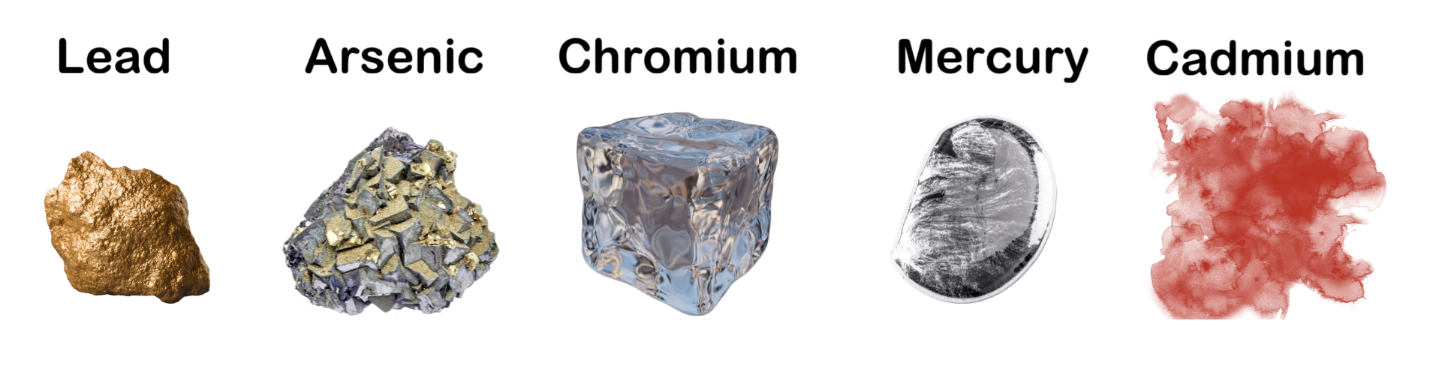
Heavy metals are naturally occurring elements with high atomic weights and densities at least five times greater than water. While some heavy metals like iron and zinc are essential nutrients in small amounts, others – particularly lead, arsenic, chromium, mercury, and cadmium – can be toxic even at low concentrations.
These metals enter drinking water through natural geological processes, industrial discharge, aging infrastructure, or agricultural runoff. Once in the body, heavy metals can accumulate in organs and tissues, potentially causing serious health problems over time.

Belleville's Heavy Metal Levels
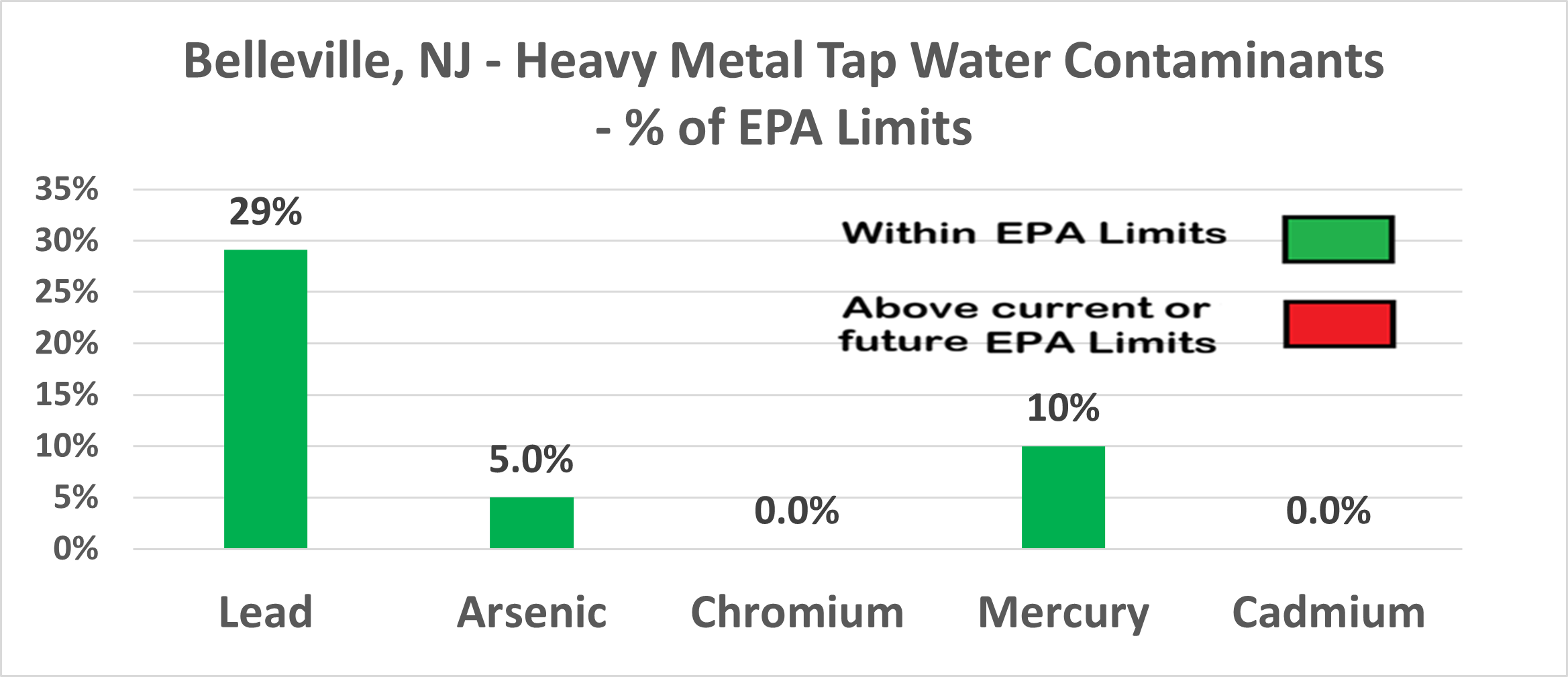
Lead (29% of EPA limit): Belleville's lead levels are well-controlled at 2.9 ppb, significantly below the EPA action level of 10 ppb. The township has successfully used orthophosphate treatment since 2009 to prevent lead from leaching out of old pipes.
Arsenic (5.0% of EPA limit): Detected at 0.50 ppb, well within safe limits. This naturally occurring contaminant from geological formations poses minimal risk at these levels.
Chromium (0% - Not Detected): Excellent news – no chromium detected in Belleville's water supply.
Mercury (10% of EPA limit): Present at 0.20 ppb, safely below the 2 ppb EPA limit.
Cadmium (0% - Not Detected): Another excellent result – no cadmium detected.
PFAS - "Forever Chemicals"
What are PFAS?
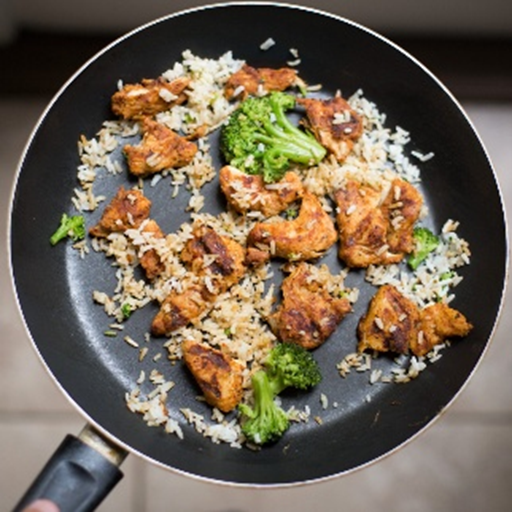
Per- and polyfluoroalkyl substances (PFAS) are a group of thousands of synthetic chemicals that have been manufactured and used in various industries since the 1930s. Often called "forever chemicals" because they don't break down in the environment or the human body, PFAS have been used in everything from non-stick cookware and water-repellent fabrics to food packaging and firefighting foam.
The EPA has established strict new limits for five major PFAS compounds in drinking water, recognizing their potential to cause serious health problems including cancer, immune system effects, thyroid disruption, and developmental issues in children.
Belleville's PFAS Levels
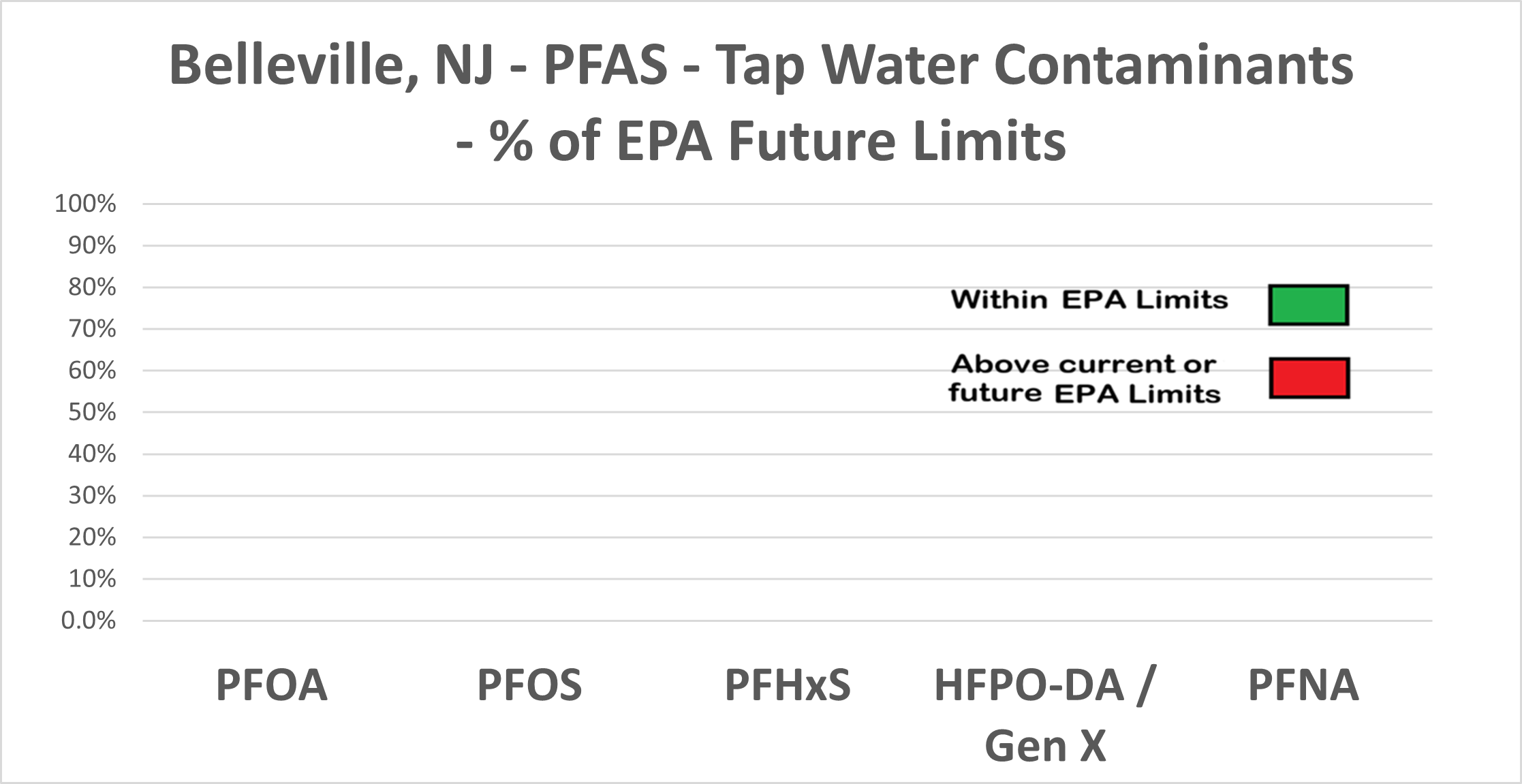
Excellent PFAS Results: All five EPA-regulated PFAS compounds (PFOA, PFOS, PFHxS, HFPO-DA/Gen X, and PFNA) were not detected in Belleville's water supply. This is outstanding performance and demonstrates effective source water protection.
Other Contaminants
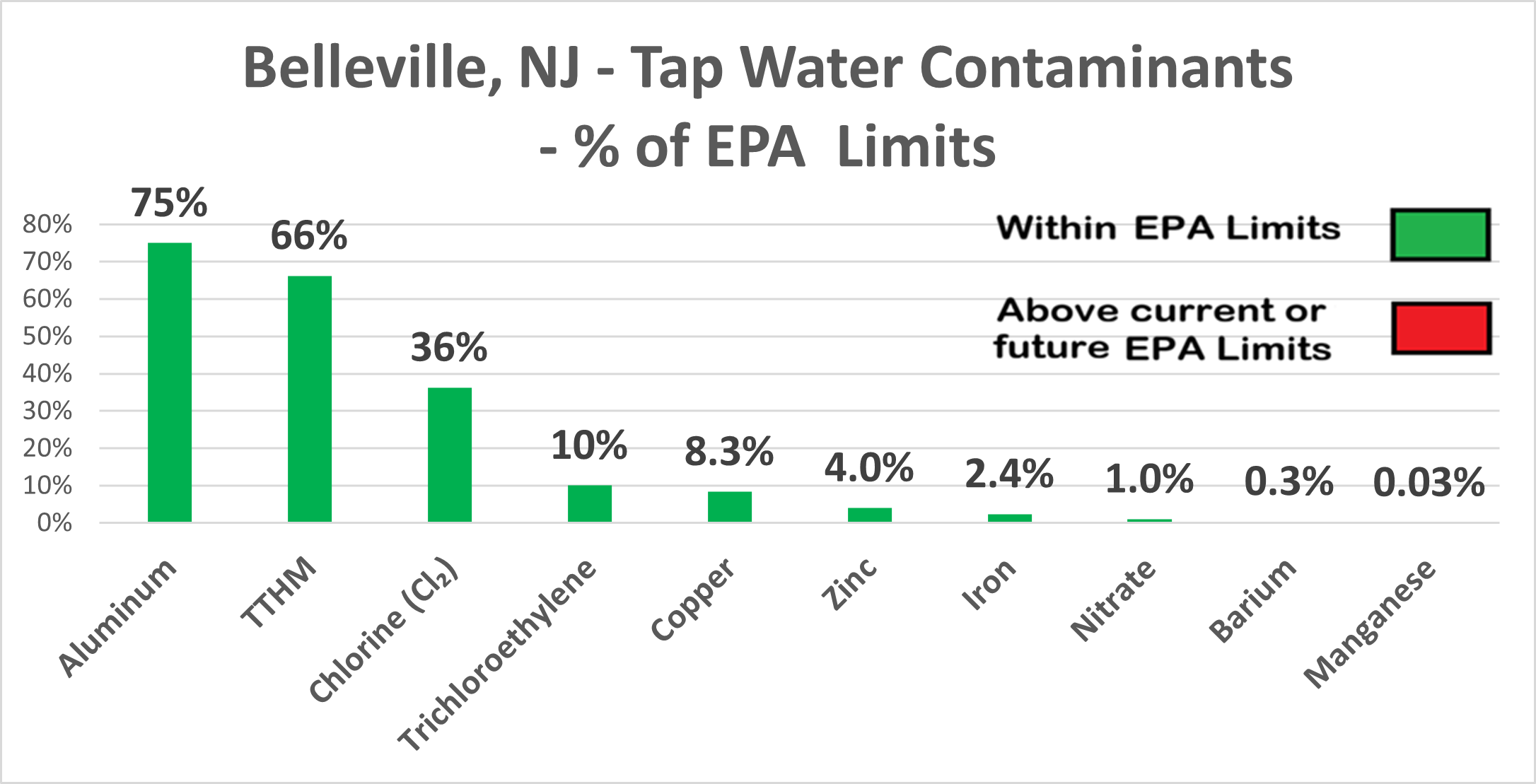
Aluminum (75% of EPA limit): Present at 750 ppb, approaching but still within the EPA secondary standard of 1000 ppb. While not considered a primary health hazard at these levels, aluminum can cause aesthetic issues such as cloudy water.
Total Trihalomethanes/TTHM (66% of EPA limit): Detected at 53 ppb, comfortably below the 80 ppb EPA limit. TTHMs form when chlorine used for disinfection reacts with organic matter.
Other Contaminants: Chlorine (36%), trichloroethylene (10%), copper (8.3%), zinc (4.0%), iron (2.4%), nitrate (1.0%), barium (0.3%), and manganese (0.03%) are all present at very low levels, well within EPA safety standards.
Our Grading System
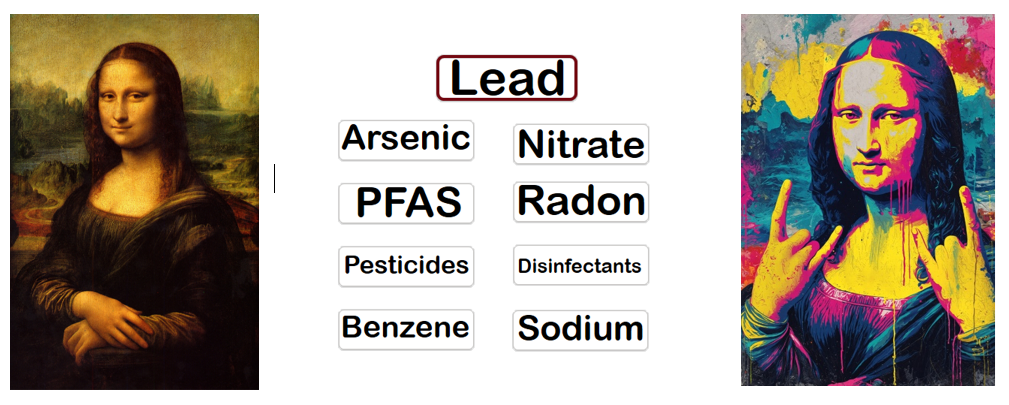
Just as the original Mona Lisa represents timeless perfection, truly pristine drinking water should be colorless, odorless, tasteless, and free from harmful contaminants. However, just as artists reinterpret masterpieces with new colors and styles, modern water treatment involves balancing safety with practical realities of infrastructure and treatment methods.
Our grading philosophy: We evaluate water quality based on the toxicity of each contaminant, the level at which it is present, as well as the cumulative impact of all detected contaminants.
How Does Belleville Compare?
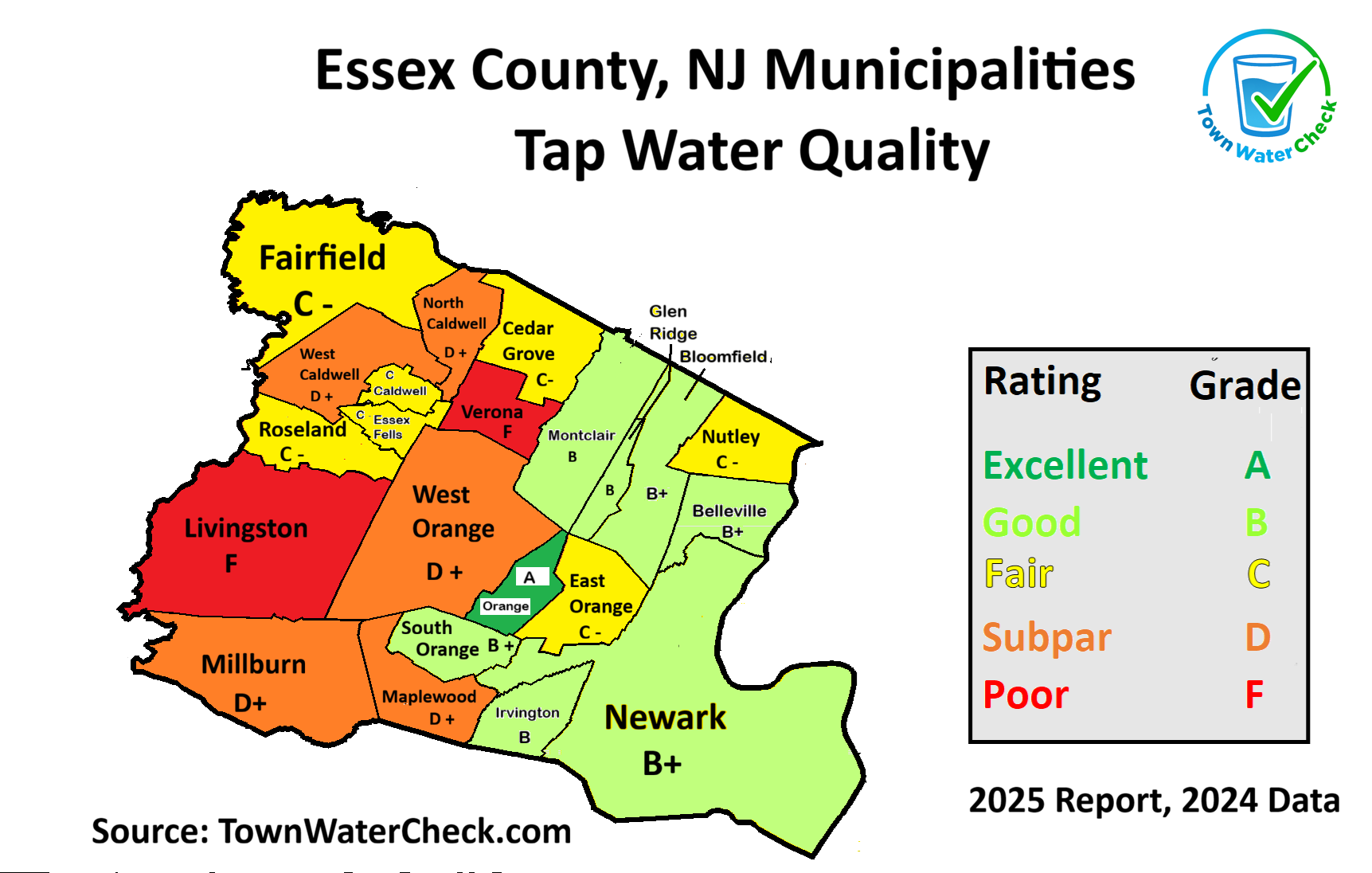
The township performed better than all neighboring communities, except for Orange, NJ, which tested at near zero levels for key heavy metals and PFAS.
Water Filter Recommendations
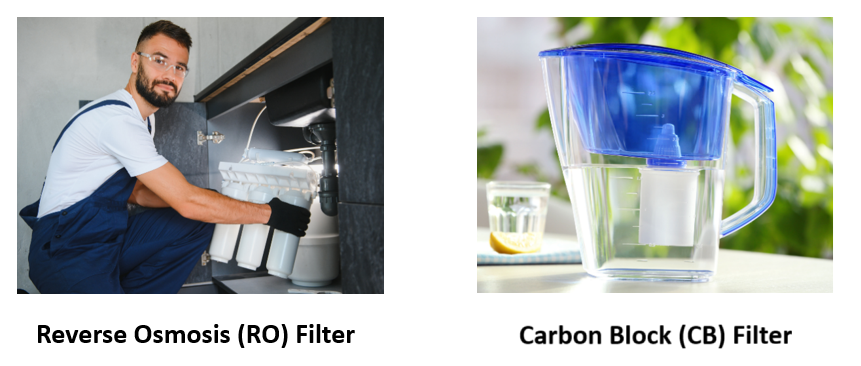
While Belleville's tap water meets EPA standards and receives a B+ rating, residents concerned about aluminum levels or disinfection byproducts may want to consider home water filtration for additional protection and peace of mind.
Reverse Osmosis (RO) Systems
Best for: Maximum contaminant removal including heavy metals, PFAS, and dissolved minerals. RO systems remove 95-99% of contaminants.
Considerations: Higher cost ($200-500), requires installation, produces wastewater.
Carbon Block Filters
Best for: Improving taste and odor, removing chlorine, some heavy metals, and organic contaminants. Affordable and easy to maintain.
Considerations: Lower cost ($20-100), simple installation, less comprehensive filtration than RO.
For more information on water filters, visit: www.townwatercheck.com/water-filter-selection
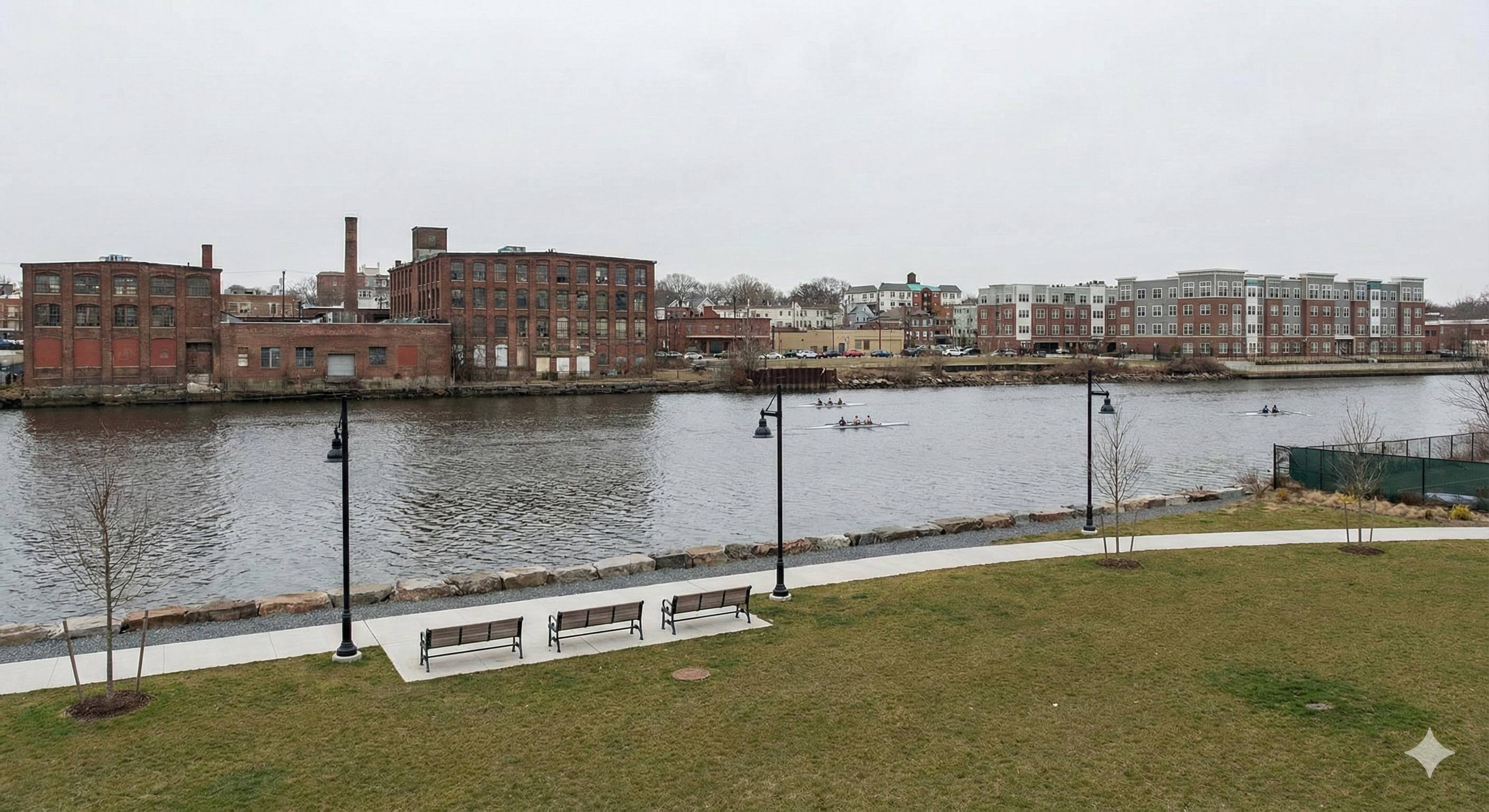
Belleville borders on the Passaic River
Final Thoughts
We hope that our tap water information has proven helpful.
Notes:
- For the latest tap water information, check with your water provider or municipality.
- The influence of contaminants on health relates to chronic, long-term, not acute or immediate effects. We make no claims, positive or negative, regarding tap water safety.
- Sampled tap water data tends to be more conservative than the average glass of tap water, often citing the 9th worst of 10 samples.
- The information contained in this report may not reflect the views of our advisors.
- Please contact Town Water Check if you feel we have made an error.
- For purposes of consistency, we use EPA limits throughout this report, not state or local limits.
Town Water Check wishes you a healthy and informed life and a cleaner, more beautiful planet.