
New Providence, NJ
Tap Water Quality Report
Downtown New Providence, NJ
The Verdict
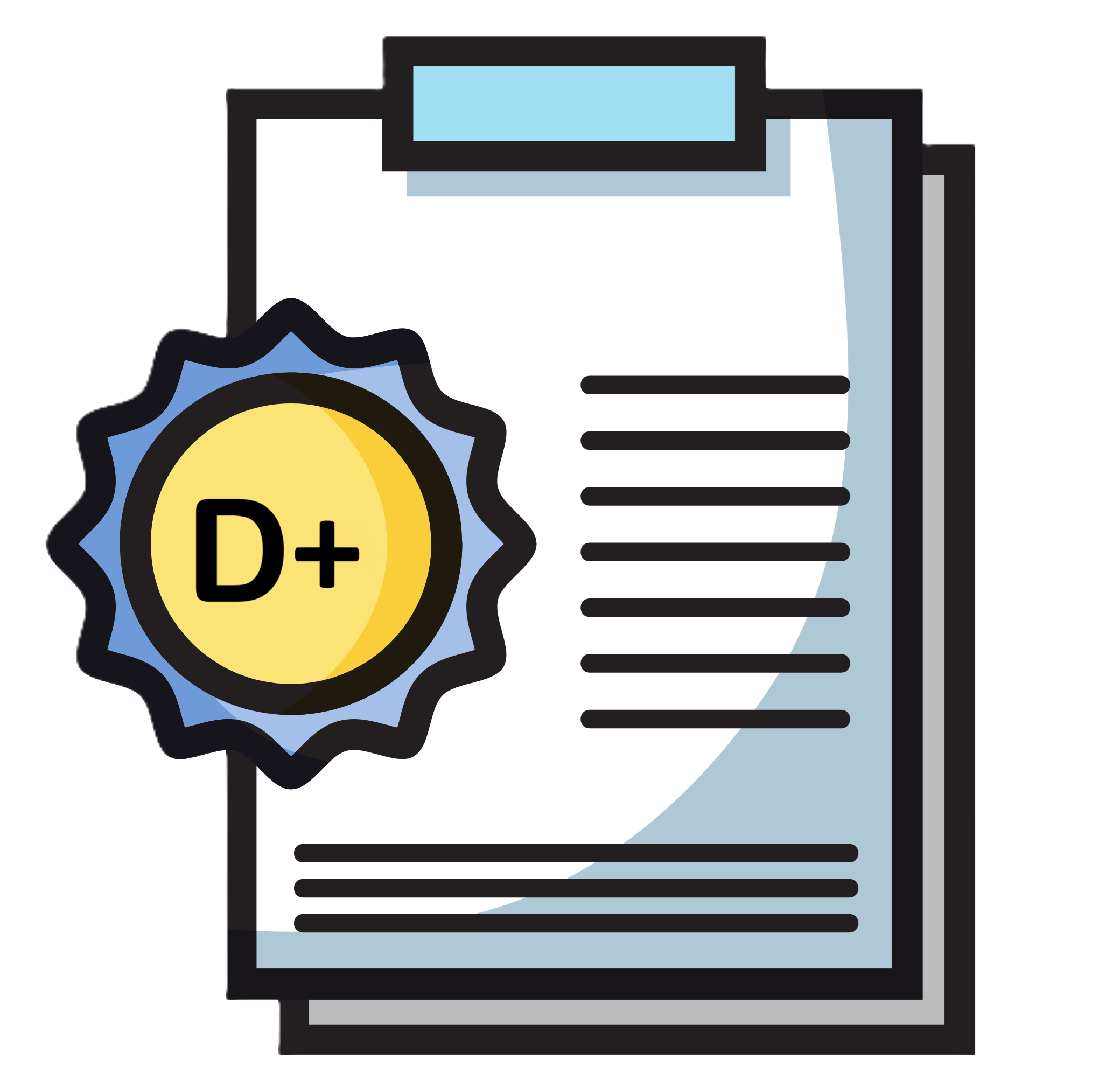
After careful review, New Providence, New Jersey's tap water quality received a D+ or Subpar rating on the Town Water Check index, which ranges from A to F. Since the results may be surprising, we'll explain our grading system and what lead us to this conclusion. Finally, we'll take a look at how neighboring communities' tap water stacks up to New Providence's, and what you, the end consumer, can do to improve it.
Disclaimer: The Town Water Check grading system is our opinion, based on measured contaminant levels as well as the known effects on long-term human health. Others may reach a different conclusion. This report was published in 2025 and is primarily based on 2024 data. For the most current information, please consult your water provider or municipality.
Summary
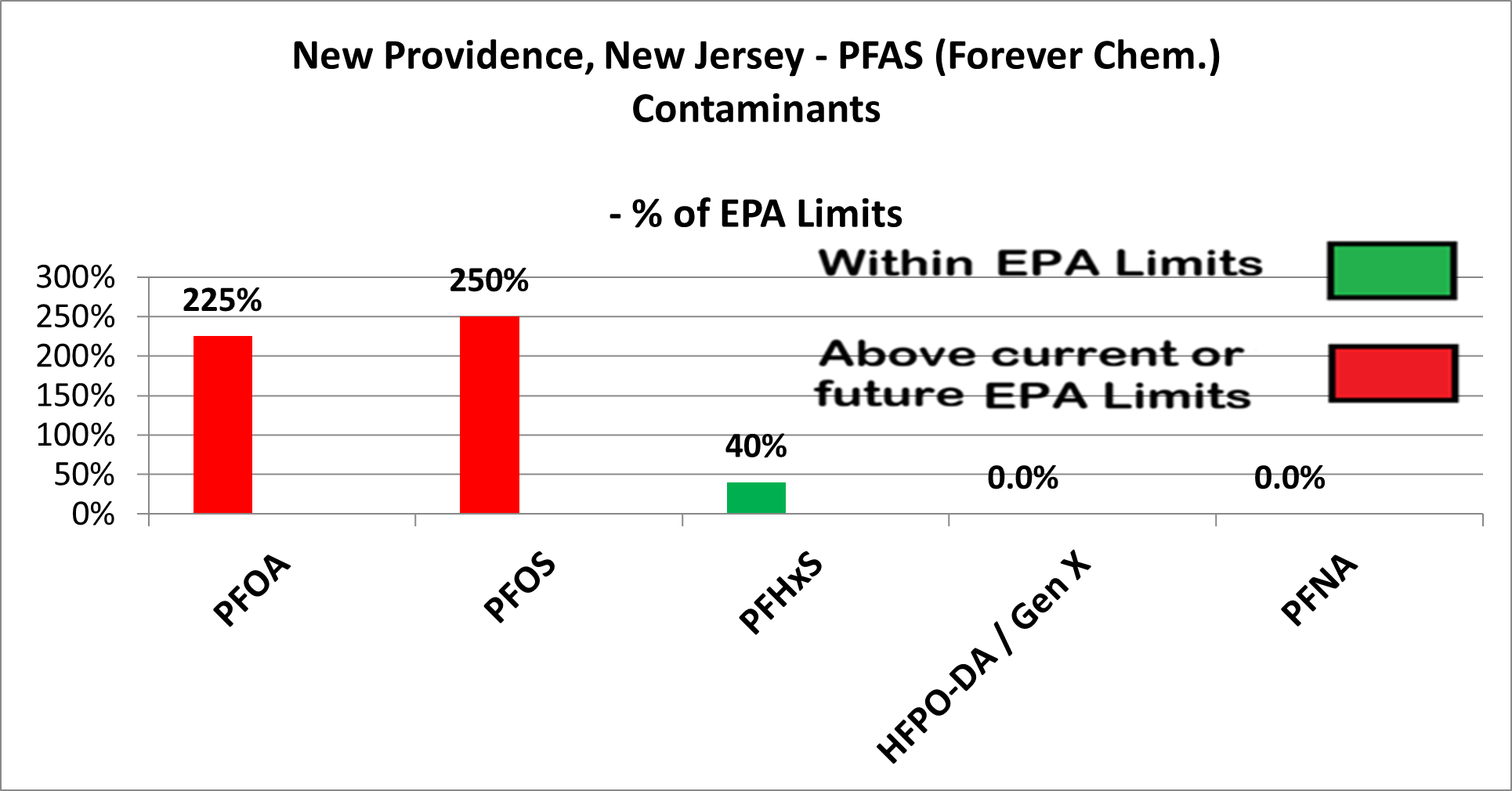
New Providence is a borough in northern New Jersey, in Union County, which sources its water from the Passaic River, Canoe Brook, the Brunswick aquifer, glacial sand and gravel, and igneous and metamorphic rocks. While the 2025 CCR (Consumer Confidence Report) indicates compliance with current federal standards, residents should be aware of detected trace contaminants. PFOA was found at levels up to 10 ppt (parts per trillion) and PFOS at 12 ppt, both of which are significantly above the future EPA limit of 4.0 ppt for these types of PFAS ("forever chemicals"). Additionally, the system reported secondary standard exceedances for manganese, sodium, and total hardness, which can impact the water's taste, odor, or appearance. Having said that, nothing is out of the ordinary for tap water in the region.
Good News
But let's share some good news. All levels of biological and radiological contaminants, pesticides and left-over disinfecting products were either undetectable or well within EPA limits.
Without water, life is not possible. It's needed for transporting and dissolving nutrients, maintaining body temperature as well as our very shape. In fact, humans are about 60% water. Drinking quality water is as important for health and longevity as eating well and exercising.
Heavy Metals
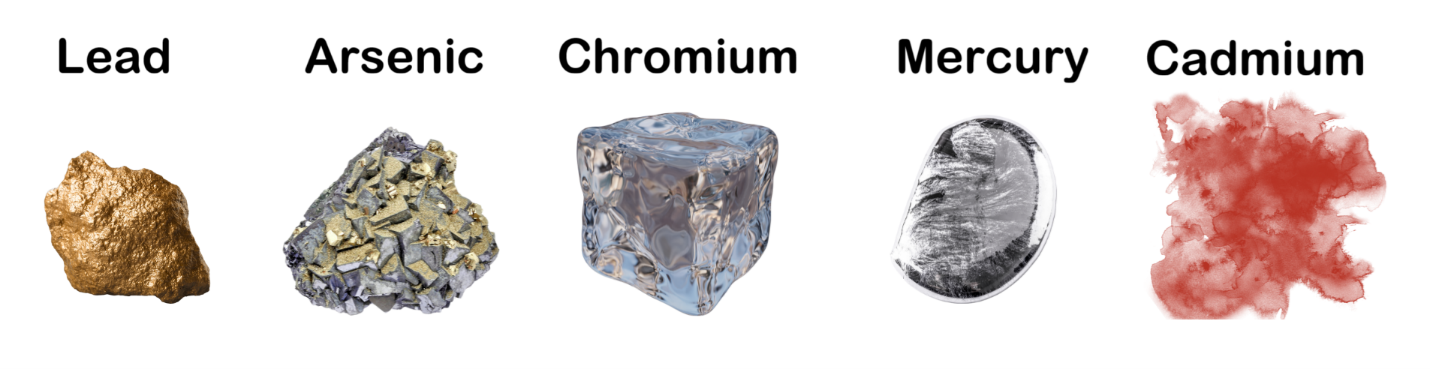
Among the most common and concerning contaminants in tap water are a group known as 'heavy metals', including Lead, Arsenic, Chromium, Mercury and Cadmium. So harmful are these toxic substances to human health that the EPA limits their presence in tap water to between two and one hundred parts per billion, the equivalent of one drop in a large hot tub.
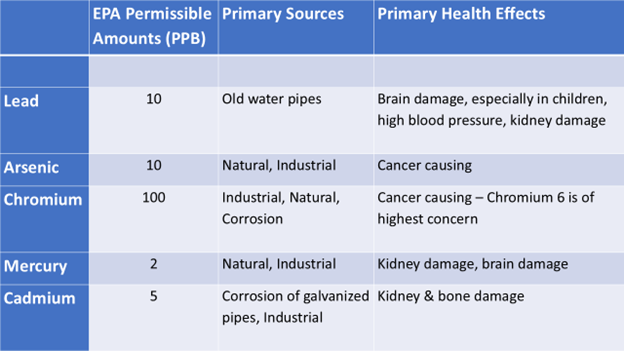
EPA limits and primary health effects for heavy metals
Heavy Metals in New Providence
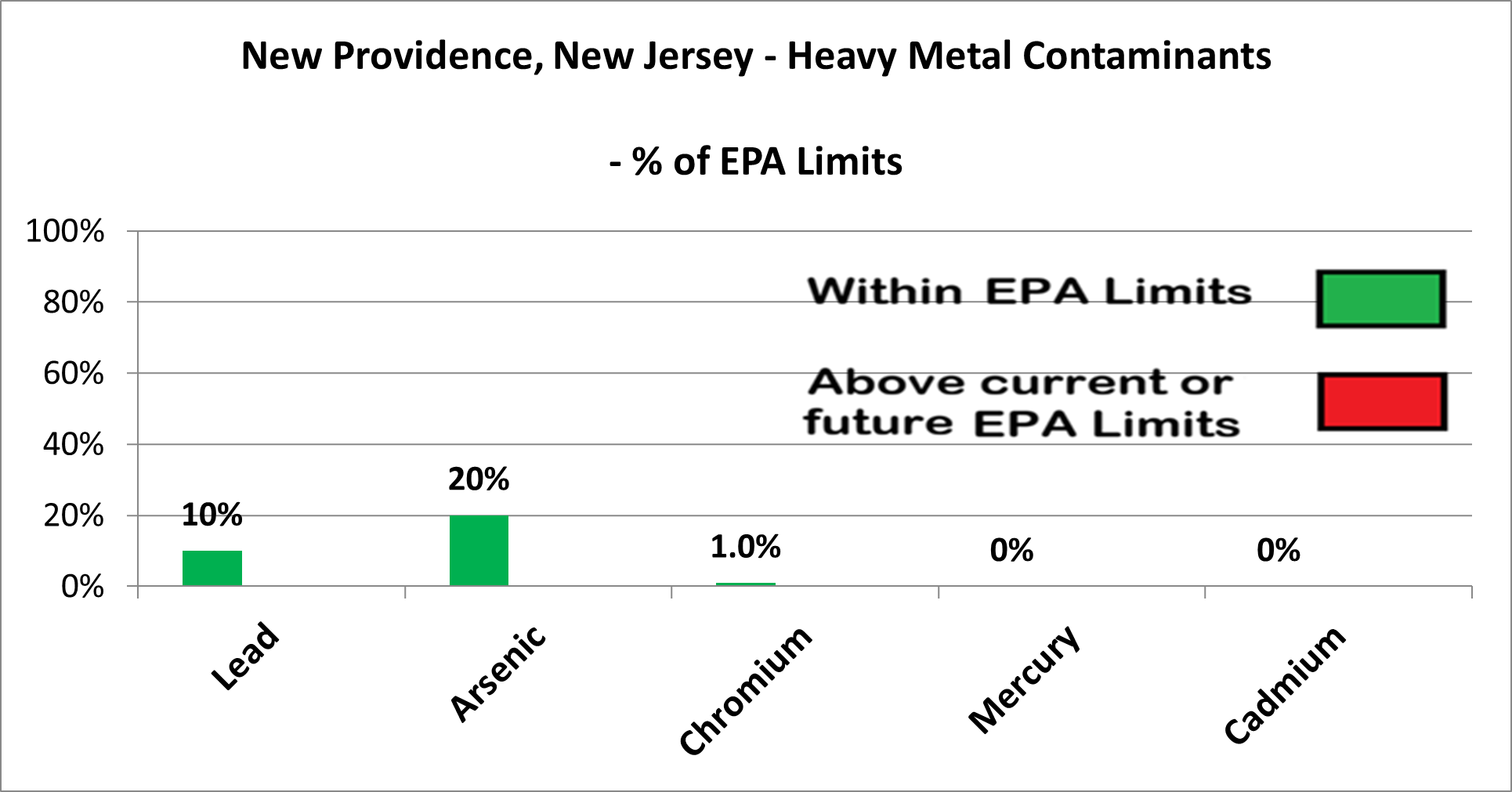
So in New Providence, the good news is that neither Mercury nor Cadmium were detected.
Less inspiring, but not catastrophic, were relatively low levels of Lead, Arsenic and Chromium at 10%, 20% and 1.0% of the EPA maximum respectively, but all within EPA limits.
However, the ultimate goal for both lead and arsenic is zero.
PFAS (Forever Chemicals)
Not to be outdone by nature, man himself has created nearly indestructible "Forever Chemicals" or PFAS. In the 1930s, chemists had the "bright idea" of bonding Carbon, the element of life, to Fluorine, among the most reactive of elements.
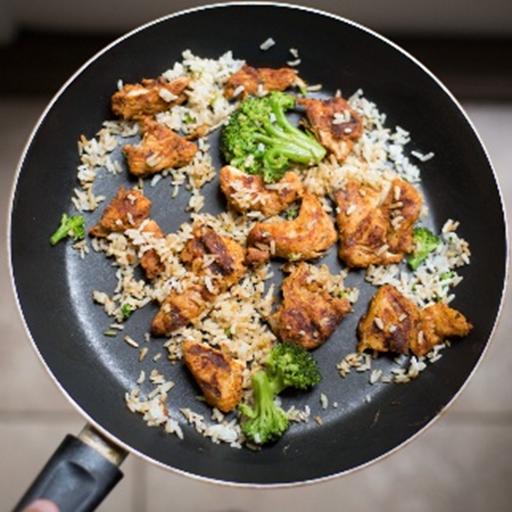
Non-stick pans, water-resistant clothing, industrial fire retardant, were the result. But, was it worth it?
PFAS in New Providence
The new EPA limits on PFAS used in this report are currently being debated as to when and whether to actually implement them. New Providence exceeded these limits, which was a key contributing factor towards their D+ grade, but they are not currently legally enforceable.
Relatively recent discoveries that even miniscule PPT (parts per trillion) levels of PFAS are harmful, and the resulting legislation, have created a very challenging situation for water supply companies, since commercial filtration infrastructure cannot be changed overnight.
Note that to be consistent, we use the strictest EPA levels ever set, whether enforceable or not, not state or local limits.
PFAS or Forever Chemicals have been known to compromise the immune system, increase cholesterol levels, cause developmental issues in children and increase certain cancer rates.
Other Contaminants
On a more positive note, no other significant issues were detected in New Providence tap water.
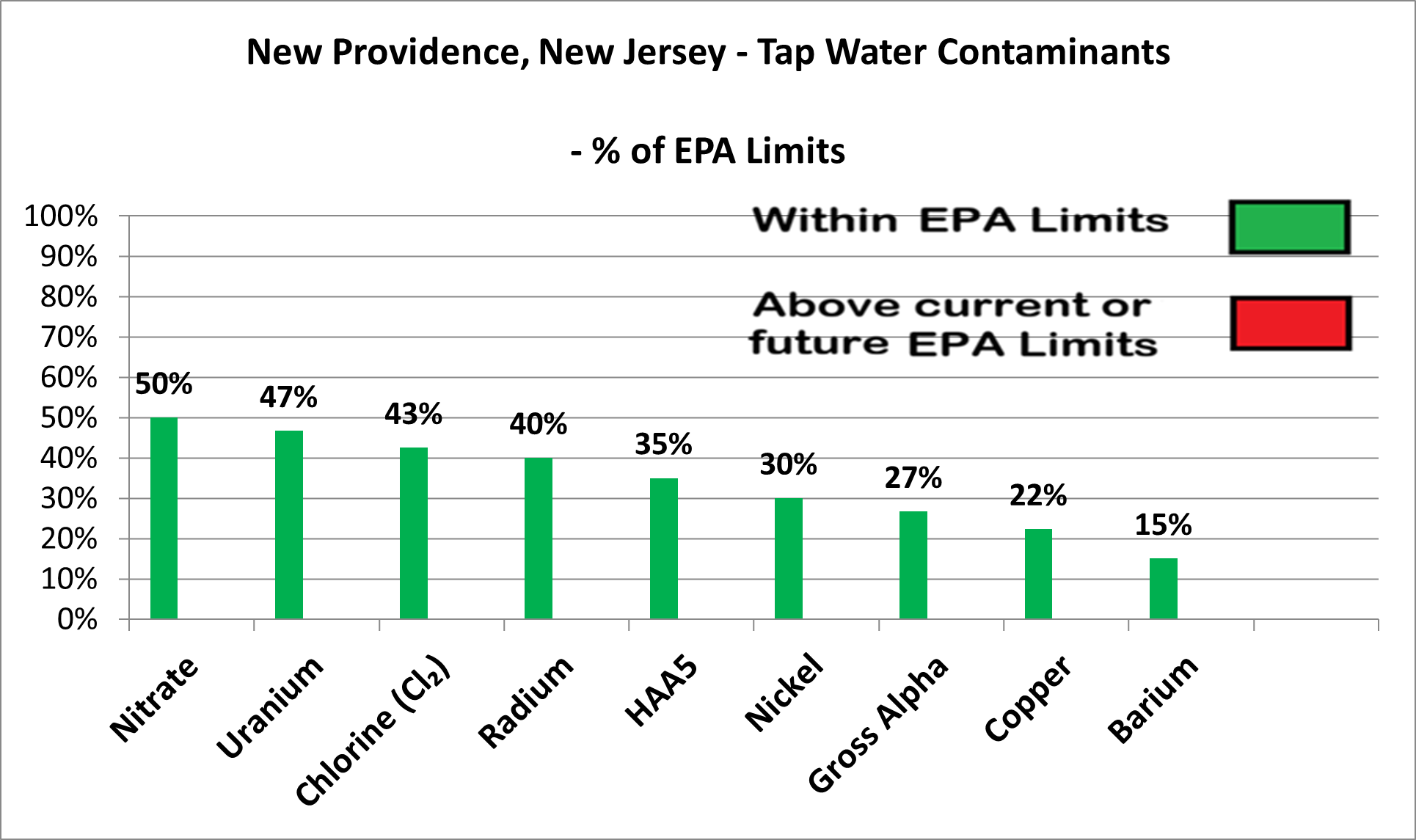
All other tested contaminants were within EPA limits
Understanding Our Grading System
To better understand our grading system, think of H2O or water as nature's masterpiece. Marking it up, or adding contaminants, generally diminishes its quality. Purer water or at least within all EPA limits will result in a good grade. Note that there are a few exceptions to the "less is more" rule. Fluoride, in the right quantity, can contribute to long term dental health, especially in children. Calcium, magnesium and potassium are also important nutrients. Note that these nutrients can also be obtained with a balanced diet or in the case of fluorine, by using fluoridated toothpaste.
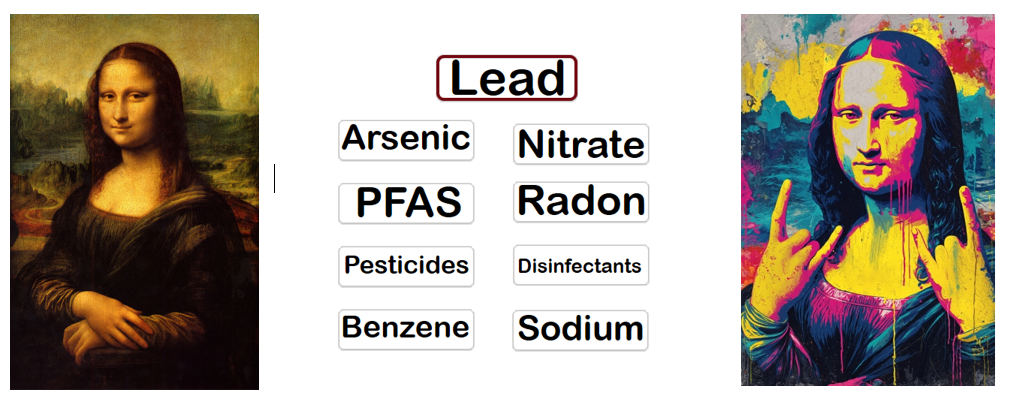
The more toxic the contaminant, in greater quantity, the lower the grade. Multiple contaminants further affect the grade. For instance, water containing both lead and arsenic would result in a worse grade than having either, individually.
How Does New Providence Compare?
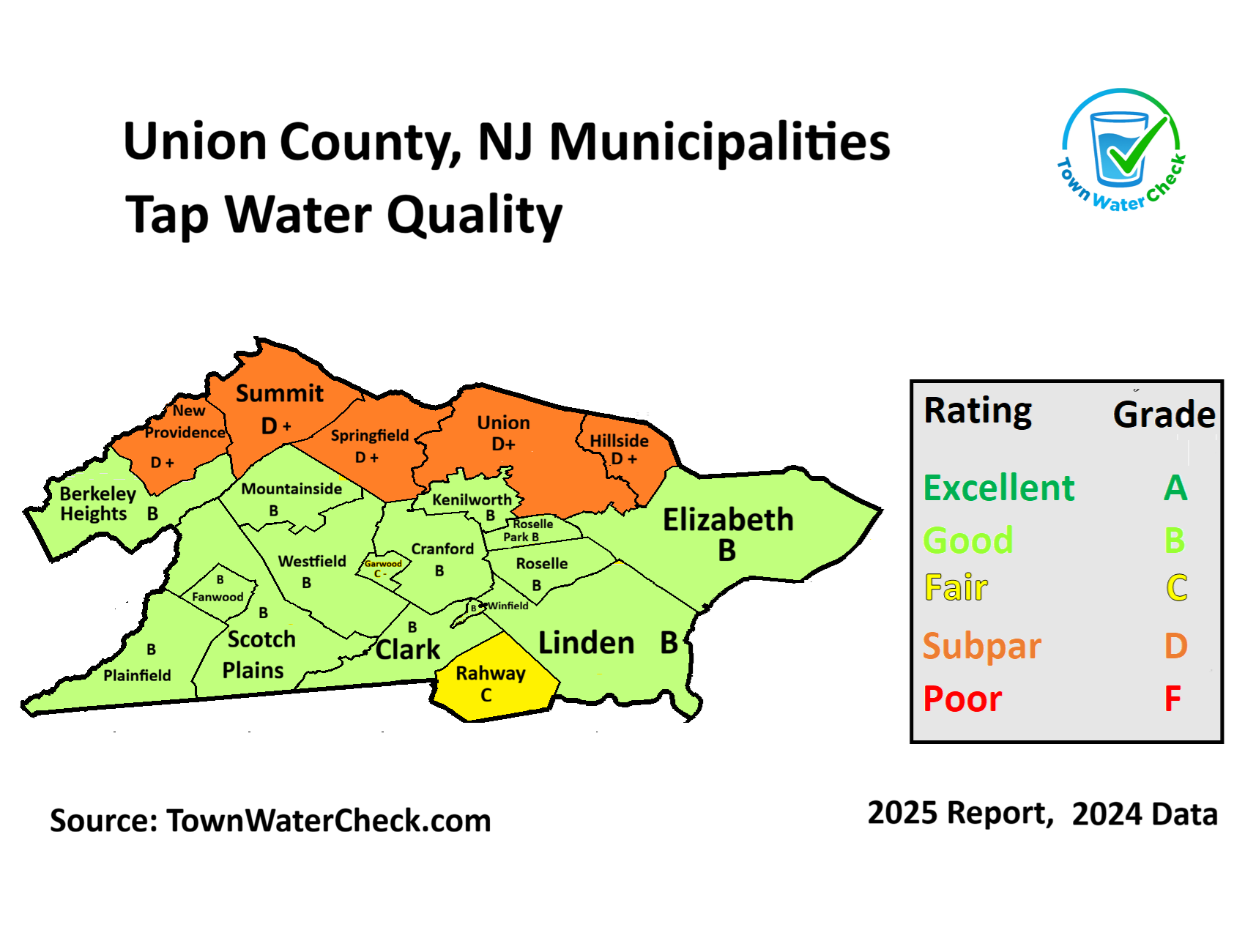
New Providence's tap water was significantly below average for Union County, with a D+ or Subpar rating. Nearby Elizabeth, NJ, with lower levels of key contaminants, received a B or Good rating and had the lowest recorded level of concerning tap water contaminants in the county.
What Can You Do?
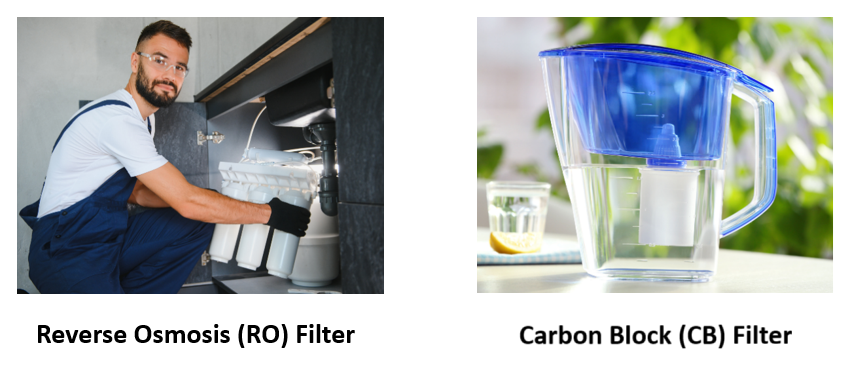
Given the levels of PFAS and heavy metals in New Providence tap water, we recommend using a reverse osmosis (RO) type filter with a NSF/ANSI 58 standard.
Alternatively, some Carbon Block filters with an NSF/ANSI 53 rating may also be effective. Just ensure they are certified to remove your particular water contaminants.
If you would like to find out more about these filters, please visit: www.townwatercheck.com/water-filter-selection
Note: The Consumer Confidence Report does not indicate active water fluoridation in New Providence.
We hope that our tap water information has proven helpful.
Notes:
For the latest tap water information, check with your water provider or municipality.
Relatively recent discoveries that even miniscule PPT (parts per trillion) levels of PFAS are harmful, and the resulting legislation, have created a very challenging situation for water supply companies, since commercial filtration infrastructure cannot be changed overnight.
The influence of contaminants on health relates to chronic, long-term, not acute or immediate effects. We make no claims, positive or negative, regarding tap water safety.
Sampled tap water data tends to be more conservative than the average glass of tap water, often citing the 9th worst of 10 samples.
The information contained in this report may not reflect the views of our advisors.
Please contact Town Water Check if you feel we have made an error.
For purposes of consistency, we use EPA limits throughout this report, not state or local limits.
Note: The data in this report also applies to the following municipalities since they share the same water source: Hillside, Springfield and Summit.
Town Water Check wishes you a healthy and informed life and a cleaner, more beautiful planet.