Flint Water Crisis
2014-2019

In April 2014, Flint, Michigan changed its water source from treated Detroit Water and Sewerage Department water to the Flint River. Officials failed to apply corrosion inhibitors to the water, which caused lead from aging pipes to leach into the water supply, exposing over 100,000 residents to elevated lead levels.
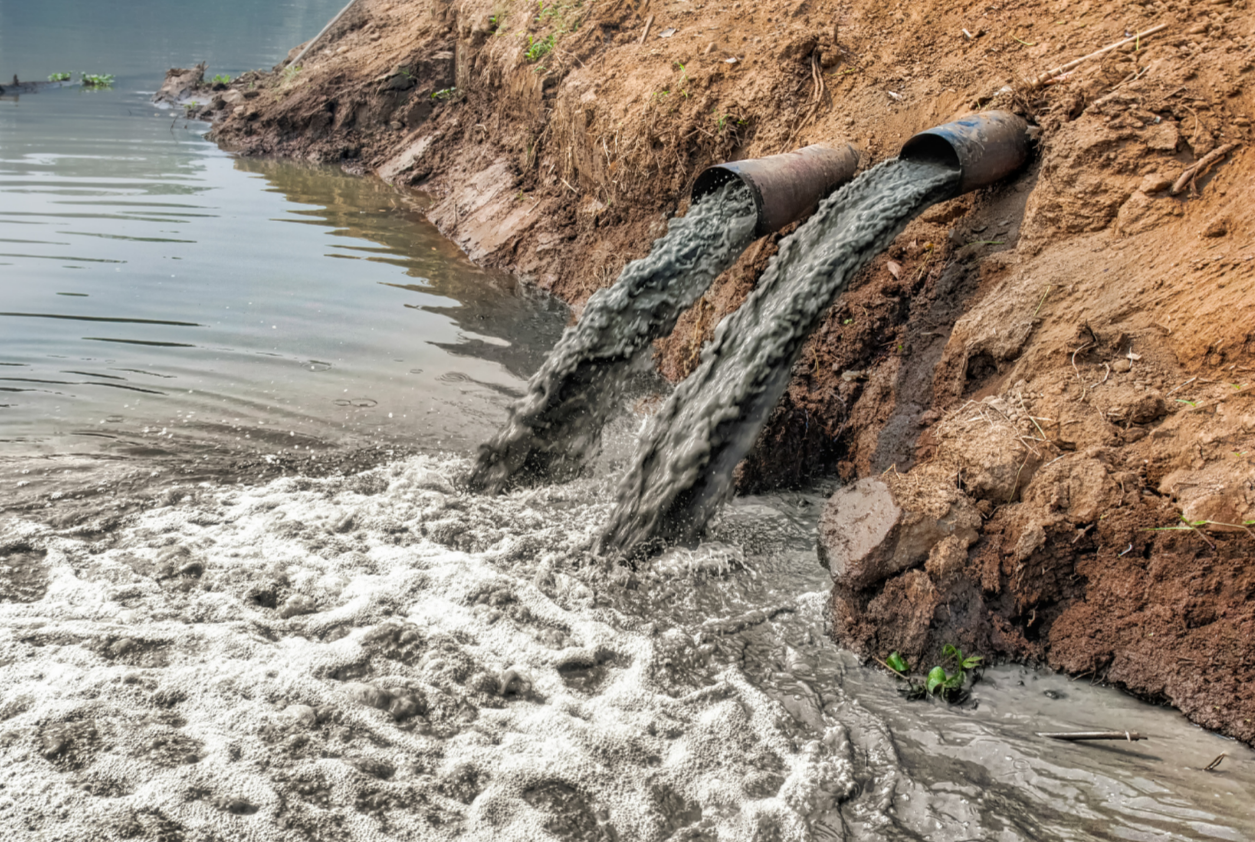
- Elevated blood lead levels in children, which can cause developmental issues and behavioral problems
- An outbreak of Legionnaires' disease that killed 12 people and sickened at least 87 others
- Skin rashes, hair loss, and other health problems reported by residents
- Long-term health concerns, including potential cognitive impacts on children exposed to lead
After months of residents' complaints and independent testing confirming high lead levels, a state of emergency was declared in January 2016. The city switched back to Detroit water, but the damage to the pipes had already been done.
The crisis led to criminal charges against several officials, multiple lawsuits, and a $626 million settlement for affected residents. It also prompted nationwide attention to aging water infrastructure and environmental justice issues.
- The importance of proper corrosion control when changing water sources
- The need for transparent water quality testing and reporting
- The disproportionate impact of environmental hazards on low-income communities and communities of color
- The critical role of citizen science and advocacy in exposing water quality issues